When you were a child, did you have a parent or grandparent that seemed like a superhero? Perhaps you remember their once-vigorous physique hoisting up and spinning you around like you were a featherweight. Fast forward to today, however, and Superman or Wonder Woman are now mere shells of their former selves, barely struggling to carry groceries, much less your own kids now. That physical deterioration isn’t just normal aging. It could be muscle loss that steals strength, independence, and vitality from millions of older adults.
Author: DFA DFA
Herbal Therapy for Hip OA
WHAT YOU NEED TO KNOW
- OA presentations rarely present with a single pattern and the traditional subcategories of bi syndrome are extremely in effectively treating the suffering of the patient.
- Blood stagnation bi syndrome and heat bi syndrome are extremely important patterns when treating OA of the hip and other joints.
- Depending on the pattern, Shen Tong Zhu Yu Tang, Zhong Guo Tong Xue Wan / Zhong Guo Shen Jing Tong or Si Miao Wan can be used.
In my last article [June issue], I addressed treatment of hip osteoarthritis with acupuncture point protocols. In this installment, let’s discuss herbal patent medicines that are also effective in treating hip OA. This is a condition I treat extensively with both herbal medicines and acupuncture.
Alcohol vs. Weed: A Traditional Chinese Medicine Perspective
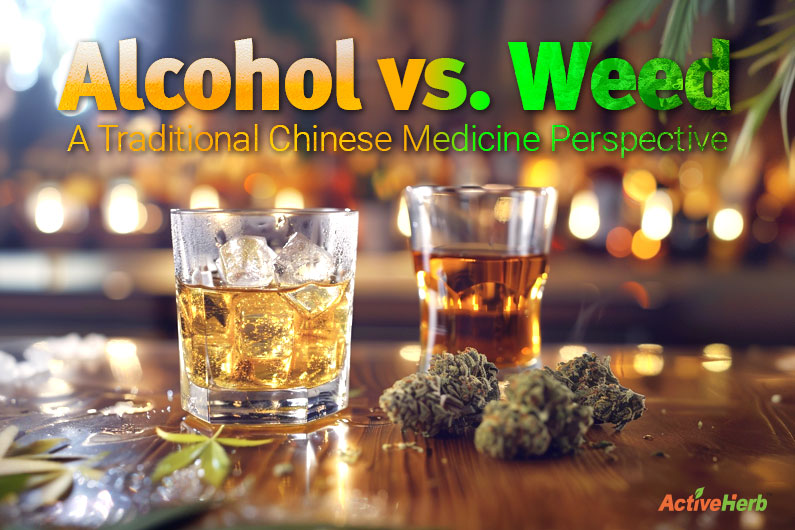
Is it better to sip or to puff?
Metabolic Psychiatry
Metabolic psychiatry is an emerging field of research revealing robust connections between metabolic dysfunction and psychiatric conditions, with mitochondria suggested to be at the core of these connections.
Vitamin D & Vertigo
Benign paroxysmal positional vertigo (BPPV), the most common cause of vertigo in older adults, is characterized by temporary symptoms brought on by having the head in a specific position, primarily nystagmus and vertigo. The portion of falls in an older population that can be attributed to BPPV is not clearly established, but is thought to affect approximately 10% of older individuals (often unrecognized), and be responsible for about ½ of the vertigo cases in this population. It’s important to note that some studies have found a little more than 1/3 of 75-year-olds had some type of subjective dizziness or impaired balance, and those with BPPV report more severe symptoms. A systematic review published in Age and Aging concluded that dizziness increases the risk of future falls by 63%, and nearly doubles the risk of recurrent falls.
Microbiota & Seasonal Allergies
First introduced in 1989, the “hygiene hypothesis” proposed that exposure to specific microbes, perhaps during crucial windows of development, educates the immune system in a way that modifies the risk for allergic, inflammatory, and autoimmune diseases. Initially, this was proposed in response to the observation that the position of a child in a family (their place in the birth order) was associated with the risk for hay fever in a large national sample from the UK. It was suggested that younger children were more likely to be exposed to microbes (“unhygienic contact”) from their older siblings, thereby conferring some type of protection to the younger children. This idea has gained support and modifications over the years, such as adding the “old friends hypothesis,” the idea that exposure to harmless microorganisms (bacteria, helminths, etc.) that have co-evolved with humans helps the maturation of Treg cells, as deficiencies in these cells leads to either excessive T helper 1 (Th1) or Th2 responses.
Ginseng mediates its anticancer activity by inhibiting the expression of DNMTs and reactivating methylation-silenced genes in colorectal cancer
https://academic.oup.com/carcin/advance-article-abstract/doi/10.1093/carcin/bgad025/7151093?redirectedFrom=fulltext&login=false
TCM for Sepsis: The Power of Xuebijing
According to the World Health Organization’s first global report on sepsis (2020), “When sepsis is not recognized early and managed promptly, it can lead to septic shock, multiple organ failure and death. … Even sepsis survivors are not out of danger: only half will completely recover, the rest will either die within 1 year or be burdened by long-term disabilities.” Ironically, infections acquired in health care settings (hospitals, intensive-care units, etc.) are a common cause of this life-threatening complication.
(Chinese Subtitles) “Acupuncture Fever – The Road to Legalization in California”
Magnesium & Brain Volume
More evidence of the likely neuroprotective effect of magnesium was recently published in the European Journal of Nutrition. This study comes on the heels of an analysis of NHANES data published last year in Alzheimer’s & Dementia which found that a higher total intake (diet and supplemental) of magnesium was associated with better cognitive function among participants aged 60 and older.
An Atlas of Gut Microbiota Plasma Metabolites
In an extraordinary analysis published recently in Nature Communications, researchers in Sweden report the results of a cross-sectional study which, to date, is the largest and most detailed association study between gut microbiota and plasma metabolites. This study had over 8500 participants between the ages of 50 and 64, identified over 1500 microbial species with deep metagenomic sequencing (whole-genome shotgun-sequencing), and profiled over 1300 plasma metabolites, characterizing the relationships between these metabolites and both specific microbial species as well as alpha diversity, a broader measure of the species diversity.
Collagen Peptides & Joint Health
According to a review in the journal Amino Acids, collagen peptide supplementation (COL) in conjunction with exercise, has been shown to help support healthy joint functionality for people with degenerative bone and joint problems.
The Health Impact of Meal Timing
Results of a randomized controlled cross-over trial were recently published in the journal Cell Metabolism, detailing the effects of late versus early eating on a variety of outcomes, including hunger, hormone levels, energy expenditure, and more. The link between the circadian system and energy metabolism is both fascinating and incompletely understood, and there is considerable interest in this connection, particularly as it relates to glycemic control and weight management. Much of the data in this area of study is either based upon animal research or observational studies; this trial was an in-laboratory experiment (at the Brigham and Women’s Hospital Center for Clinical Investigation), meaning that substantial effort was made to control for all the relevant variables, including not just total calorie consumption, but physical activity and light exposure. In addition, the mechanisms underlying these links were evaluated in depth, using calorimetry-derived assessment of energy expenditure, polysomnographic analysis of sleep, subjective measures of hunger and appetite, profiles of leptin, ghrelin, and core body temperature, as well as fat biopsies to analyze gene expression in adipose cells.
Acupuncture reduces chemo-induced peripheral neuropathy
Objectives: This systematic review and meta-analysis aimed to evaluate the effectiveness and safety of acupuncture on chemotherapy-induced peripheral neuropathy.
Electroacupuncture on two acupoints improves liver function in alcoholics
Objective: Acupuncture can improve the symptoms of alcohol-induced bodily injury and has been accepted by the World Health Organization. In this study, in vivo fluorescence imaging (IVFI) was applied to display and evaluate the effect of electroacupuncture on liver function in mice with chronic alcoholic liver injury.
Acupuncture improves survival rate in stroke patients
Background: Disorder of consciousness (DOC) is frequent in patients with stroke, which is the second most common cause of death and a leading cause of disability. Acupuncture has been used as a curative method for DOC treatment in China. Nevertheless, no critical systematic review of acupuncture’s effect on DOC has been published. This review aims to evaluate the present evidence regarding the efficacy of acupuncture for DOC after stroke.
Acupuncture better than antispasmodic drugs for IBS
Background: Acupuncture has been extensively applied to manage irritable bowel syndrome (IBS) in clinical practice in China. Some randomized controlled trials (RCTs) have demonstrated their efficacy, but it has rarely been compared with first-line antispasmodics to verify their effectiveness. Therefore, we compare acupuncture with antispasmodics in the treatment of IBS by using an adjusted indirect treatment comparison meta-analysis.
The Chinese herbal formula Ping Chan Wan improves Parkinson’s disease
Background: Ping Chan Wan is a traditional Chinese medicine for Parkinson’s disease.
Vitamin D & the Inflammatory Response
Research has shown that a healthy inflammatory response is an essential part of the body’s healing process. Yet ongoing inflammation can actually contribute to a wide range of common conditions. Genetic research has now identified low vitamin D levels with high levels of inflammation. This means that low vitamin D could become a key biomarker to help measure the risk of and the severity of chronic pathologies with an inflammatory component.
Acupuncture stimulation at Yingxiang (LI 20) revives sense of smell in COVID-19 patients
Olfactory dysfunction in the post cold/flu condition reported worldwide are refractory for some patients. For this reason, appropriate treatment is desired. In this article, we describe two cases of olfactory dysfunction in the post cold/flu condition that was improved by traditional acupuncture treatment.