t’s time to recognize that dysregulation of blood glucose and insulin have implications that go far beyond type 2 diabetes and metabolic syndrome. It has long been acknowledged that even in the absence of diabetes, chronically elevated insulin increases risk for Alzheimer’s disease (AD). Noting the close association between insulin resistance and AD, researchers have wondered whether it’s time to add the central nervous system to the list of body systems affected by metabolic syndrome. If so, then there may be reason to suspect that dysregulated insulin signaling may also be a factor in Parkinson’s disease (PD).
Author: DFA DFA
Estrogen and Diet
Estrogen, an important hormone usually associated with women, is actually present in both males and females. In women, estrogen is produced by the ovaries and exists in larger quantities. It is responsible for female reproductive function, bone health, and cholesterol management.
Coffee & Tea Linked to Lower Stroke/Dementia Risk
In recently published data from the ongoing UK Biobank study, a population based cohort, greater consumption of coffee and tea were both linked to a lower risk for stroke, dementia, and post-stroke dementia. Over 365,000 participants aged 50-74 had data available regarding their beverage consumption, and over a median follow-up of 11.35 years, 2.8% had a stroke and 1.4% developed dementia. After multivariate adjustment, a non-linear association was found between intake of these two beverages and risk; separately and combined, intake of coffee and tea was associated with a lower risk of stroke and dementia. Participants that consumed a combination of 2-3 cups of coffee with 2-3 cups of tea per day appeared to have the greatest risk reduction, approximately 30% lower for both stroke and dementia. The combination of coffee and tea was also associated with a 48% lower risk for post-stroke dementia, at a consumption level of 3-6 cups per day.
The Role of Chinese Medicine in the COVID-19 Epidemic, with Dr. Liu Lihong
https://www.youtube.com/watch?v=ud99U0rz1_g
The Chinese herb Chuan Xiong works against brain metastasis of lung cancer
Objective: To explore the molecular mechanism mediating the inhibitory effect of Chuanxiong Rhizoma against brain metastasis of lung cancer using network pharmacology methods and molecular docking.
Thyroid Testing is Often Not Enough
“Normal TSH values may not rule out patients that are hypothyroid. It is possible that a large number of hypothyroid individuals are missed using TSH as a screening tool, which is a problem for the patient, who remains hypothyroid, and to the healthcare system as a whole.” (Ling et al., 2018)
Low Carb for Type 1 Diabetes
“The source and amount of carbohydrates consumed affect postprandial hyperglycemia and glycemic variability more than any other dietary factor, providing a conceptual basis for interest in carbohydrate-modified diets for T1DM.” (Lennerz et al., 2018)
DHA & Folic Acid
In a recent randomized and double-blinded placebo-controlled clinical trial, the effects of folic acid, DHA, and their combined use were evaluated among 160 older adults with mild cognitive impairment. Plasma levels of amyloid-β (Aβ) peptide biomarkers as well as cognitive function were assessed at 6 months, after which all interventions were discontinued, and cognitive function tests were repeated at 12 months.
Does exercise help protect against severe COVID-19?
June 09, 2021
Science shows us that being physically active helps us feel better, and prevents or slows many diseases, including heart disease, cancer, and dementia. It even helps us live longer. For these reasons, the US physical activity guidelines and the American Heart Association recommend at least 150 minutes of moderate physical activity weekly. Now, a study in the British Journal of Sports Medicine suggests that routine activity may help protect people who get COVID-19 from becoming seriously ill.
The Surprising Good News on How Menopause Changes Your Brain

Menopause’s effects on the brain are often temporary, according to a new study. But there’s a caution for women at risk of Alzheimer’s.
Brain scans from women 40 to 65 years old show glucose levels dipping during perimenopause and then stabilizing or increasing in some areas postmenopause.
Menopause changes women’s brains—but many of the changes are temporary, and the brain eventually compensates for some of them, according to new research.
When Should You Take Probiotics?
Probiotics are beneficial bacteria, one of the many microorganisms in your gut, that may help improve your health by balancing the bacteria in your bowels. Healthy adults have about 100 trillion microorganisms (including bacteria) in their bowels. Probiotics help bring the “good” bacteria to a level in balance with the “bad” bacteria in your gut.
You can consume probiotics through products like yogurt and fermented foods, or you can take them as supplements. The most common types you can buy are Lactobacillus and Bifidobacterium. As with all medications and supplements, some people do experience side effects when they take probiotic supplements, but they are rare. Learn more about probiotics, some risks that might be associated with taking them, probiotic side effects, and the recommended intake.
Probiotics Benefits
We all have bacteria in our intestinal tract. But sometimes the bad bacteria outgrow the good bacteria and take over, making us sick or causing discomfort. This is where probiotics may come in. There are several reasons why you may take probiotic supplements, but the two most common reasons are to counteract antibiotic side effects like diarrhea and to reduce uncomfortable gastric issues, such as bloating and gas. They also play a role in:
- Digesting food
- Creating vitamins
- Absorbing medications
There are some conditions that might respond to probiotics as well, helping reduce symptoms. They include:
- Constipation
- Diarrhea
- Eczema
- Inflammatory bowel disease (IBD) and irritable bowel syndrome (IBS)
- Lactose intolerance
- Urinary tract infections
- Yeast infections (particularly when taking antibiotics)
Probiotics Supplement Risks
Before taking probiotics, it’s wise to consider some of the risks associated with them. First, and maybe most important, probiotics sold as supplements don’t fall under the category of medicine, so the U.S. Food and Drug Administration (FDA) does not approve them. Any claims the probiotic manufacturer makes have not been verified. Talk with your pharmacist before choosing a brand. Pharmacists can help you choose one that is best for your situation. Tell your doctor that you started taking a probiotic supplement.
First check with your healthcare provider before starting a probiotic supplement if you have a weakened immune system, you’ve had recent surgery, or you are recovering from a serious illness.
Although they are rare, some probiotic side effects could include:
- Abdominal cramps
- Bloating
- Diarrhea
- Gas
- Increase of acne
- Rashes on your skin
Probiotics Recommended Intake
Probiotic supplements are available in different forms: capsules, powders and liquids. The amount of probiotics in each supplement is measured in CFU, or colony-forming units. Probiotic products can range from 1 to 50 billion CFU per dose, but there are no definite studies as to how much probiotics you can take or how often. Higher CFUs do not represent a better or more effective product. If you want to take a probiotic to care for an immediate issue, like diarrhea caused by antibiotics, taking the probiotics daily may be helpful.
The World Gastroenterology Organisation advises providers and patients to select a probiotic that contains the bacteria strain(s) shown in people to be beneficial for the intended need, such as Lactobacillus acidophilus and L. casei for antibiotic-associated diarrhea.
Article written by
Marijke Vroomen Durning, RN, has been writing health information for the past 20 years. She has extensive experience writing about health issues like sepsis, cancer, mental health issues, and women’s health. She is also author of the book Just the Right Dose: Your Smart Guide to Prescription Medications and How to Take Them Safely.
Medical Reviewer: William C. Lloyd III, MD, FACS
Last Review Date: 2020 Jul 10
A CASE REPORT UNCOVERS A POTENTIAL CONNECTION BETWEEN LOW VITAMIN D AND FATIGUE
A case report from the University of Florida College of Medicine’s Department of Medicine has unveiled an unusual potential connection between fatigue and low blood vitamin D levels.
Fatigue is a common complaint, but it is poorly characterized by both doctors and their patients. It can be caused by various different health problems, but at this time, a comprehensive approach to patients with fatigue doesn’t include a routine check of their vitamin D levels, despite evidence from trials confirming the improvement of fatigue-related symptoms in healthy people with low blood vitamin D levels.
Thanks to a new case report from the University of Florida College of Medicine, a 61-year-old man was evaluated for daytime fatigue. He wasn’t experiencing depression, sleep apnea, or narcolepsy, and thyroid function and testosterone level checks showed no abnormalities. However, the man’s blood levels of vitamin D, serum 25-hydroxyvitamin D level was low, at 18.4 ng/mL. After receiving vitamin D supplementation after 3 and 12 months, the patient’s vitamin D levels were in the optimal range, and he reported that the daytime fatigue had completely resolved itself.
The authors suggest that the results of this case could be put down to the effects of vitamin D on components of inflammatory cascades, such as tumor necrosis factor-alpha and prostaglandin D2, which can result in decreased central nervous system homeostatic sleep pressure. More research is needed to determine if people who have fatigue should be routinely screened for vitamin D deficiency.
Related Biotics Research Products:
Bio-DK-Mulsion™
Bio-DK-Mulsion™
Bio-D-Mulsion Forte
Bio-D-Mulsion
Adek
INTERMITTENT FASTING 101
There’s currently a lot of hype surrounding intermittent fasting (IF) – everyone in the health space seems to be talking about it. Raising a lot of questions and misconceptions, but the truth is – giving the body time to heal is critical for overall health and wellbeing. While IF is concerned with when you eat, it’s still important to eat a clean healthy diet to get the full benefits of IF.
The human body is filled with inherent repair systems that will naturally turn on in certain circumstances. From autophagy, immunotherapy, activating Natural Killer (NK) cells, to neuroplasticity and stem cell proliferation. The emerging science surrounding the body’s natural ability to heal and rejuvenate with IF is exciting.
Despite the body’s natural ability to heal – we humans often get in the way and thwart this aptitude toward rejuvenation.
Our Current Obesity Epidemic
We’re in the middle of a global obesity epidemic. 1.9 billion adults are now classed as “overweight”, that’s a massive – 39% of the global population. Sadly this expansive, and entirely preventable crisis isn’t isolated to the adult population in the US.
Asian nations are following the same trajectory, and tens of millions of our children are suffering the same fate. According to WHO, 340 million young people aged 5-19, and 41 million children under 5 years were overweight or obese in 2016.
Why Is This Health Crisis Happening?
Consuming convenient sugary, toxin laden junk food plays a massive role in the international obesity epidemic. It’s so much easier to grab fast food than take time to plan and cook a nutritious meal. Additionally lower income families often struggle to afford high quality food.
Socioeconomic status (SES) in modern society affects a population’s diet quality.
Additionally, modern lifestyles are often stressful and sedentary – which severely impacts overall health. Then there is automation – cars, washing machines, dishwashers and smartphones making life so much easier and less active. Industrialized society has developed so fast that we may need to take a step back and learn how to promote wellbeing in the 21st century.
Thankfully intermittent fasting (IF) has been extensively studied and presents a free and (relatively) easy solution. We are all conditioned to eat 5-6 meals per day, which not only regularly spikes insulin, it means that we eat for far too many hours of the day. Diet is a complex and evolving topic – but IF is easy.
“Simplicity is the ultimate sophistication” -Leonardo da Vinci
What Is Intermittent Fasting (IF)?
Some people prefer the term “Time Restricted Feeding” when it comes to IF. The basic premise is to optimize the process of switching between our feast (eating) and famine (fasting) state. IF is not a diet – it’s a protocol that involves extending your natural fasting period.
Everyone fasts daily while sleeping. Normally consuming BREAK-FAST in the morning to “break” the fast. In the IF world people speak of eating and fasting “windows” as follows:
- Eating Window – When you consume all food and calories for the day.
- Fasting window – When you abstain from food and only consume water.
Intermittent Fasting is an Extension of the Fasting Concept. However IF is done repeatedly over a condensed timeframe. The most famous being the 5:2 or 8:16 methods, as outlined below:
- 5:2/ Alternate day fasting – Eat normally for 5 days, fast for 2 days every week.
- 8: 16 – Eat all food during 8 hour eating window. Fast for 16 hours every day.
Some experts, like Valter Longo and Satchindananda Panda have reported that abstaining from food for 13-14 hours is long enough to benefit from IF. This allows people to eat breakfast, lunch, and enjoy dinner, while avoiding the temptation to yo-yo diet.
The History of Fasting
“To eat when you are sick, is to feed your illness” – Hippocrates
Fasting is not a new concept, records show that it was used way back in 360 BC by Hippocrates in ancient Greece to improve health. However fasting protocols are often forgotten in modern times. Fasting has been used for weight loss, improved concentration, to reverse aging, to prevent chronic disease and much more.
No matter where we look in the world we’ll find different forms of fasting traditions, from Lent in Catholicism to Ramadan in Islam. Fasting is a protocol that has been used by humans since the beginning of time.
In Asia fasting is known as “zhai” or “zai”, which means both “vegetarian” and “fasting.” Many people believe that removing indulgences from the diet (eg. foods that are only eaten for taste) brings about spiritual merit and physical wellbeing. Buddhists also take part in daily and prolonged fasts for moral and spiritual reasons.
America’s forefather Benjamin Franklin was an advocate of fasting and stated:
“The best of all medicines is resting and fasting” – Benjamin Franklin (1706-1790)
3 Types of Fasts to Optimise Health
There are many types of fasts from religious fasting to time-restricted feeding. Let’s dive into the top 3 types of fasts that are reportedly great for your health:
- Intermittent fasting/ Time-restricted feeding
- Long-term medically supervised water fasts
- Fasting-mimicking diet
Who Fasting/ IF is NOT For
Fasting is not for everyone. Certain people should completely avoid it, while others should seek advice from their primary care physician. The people who should avoid fasting altogether include:
- Pregnant women
- Breastfeeding mothers
- The elderly
- People with a history of eating disorders
How does IF work?
To understand how Intermittent Fasting works, we must look to natural circadian rhythms. During times of rest and repair, the body focuses solely on healing. As during this time it’s not concerned with the digestion process.
When there is less glucose for fuel, the body will turn to burn fat stores. Burning fat for fuel can activate a myriad of health benefits – from stem cell activation and enhanced brain function to advanced healing.
A Natural Approach to Weight Loss
A preliminary research study on fasting published by the University of California monitored 19 participants. They exposed that refraining from eating for just 14 hours of the day, while providing a 10 hour eating window for people to consume food was adequate to stimulate weight loss. Dr.Pam Taub, cardiologist and author of the study said, “We saw a 3% reduction in their weight and a 4% reduction in abdominal visceral fat.”
In the study, participants were not asked to change what they ate. The only thing they were asked to do was eat inside a 10 hour eating window and stay hydrated during their fasting phase. Lead researcher Satchidananda Panda said: “We are surprised that this small change in eating time would give them such a huge benefit.” The most effective duration for fasting is not yet established.
Why Dieting and Exercise Alone Doesn’t Work
Energy is normally created from blood sugar and glycogen (stored glucose in muscles and the liver). When we eat we replenish these stores. Fat remains untouched as we continually replenish our glycogen stores. Additionally, with age bodies don’t utilize fat stores as efficiently, making it harder to use fat for fuel later in life.
It takes up to 8 hours for glycogen stores to fully metabolize. Once glycogen is depleted, the body will turn to burning fat for fuel. The human body will only metabolize fat stores as a last resort (after approximately 8 hours of fasting) – making IF the go-to remedy for weight loss.
Health Benefits of IF
IF has many health boosting effects that far exceed the initial weight loss goal. For example insulin can be regulated, blood pressure normalized, muscle growth will increase and our brains will perform better. Additionally, when following an IF protocol you can eat the same amount of food and don’t have to count calories.
IF encourages the pituitary gland to produce Human Growth Hormone (HGH) – the “fitness hormone”. In addition, healthier tissues grow and stem cells are activated. Studies have also shown that IF can stimulate nerve growth.
IF also results in enhanced autophagy – removing damaged cells from the body. While the production of BDNF is greatly increased helping the brain to function optimally. Low levels of BDNF have been linked to increased chances of depression.
5:2 or Alternate-day fasting
Alternate-day fasting involves modified fasting every other day (as the name suggests). That might look like – limiting calories on fasting days. For example eating just one small 500 calorie meal on fasting days, and consuming a balanced healthy diet on non-fasting days. This form of the IF protocol has been proven to lower LDL cholesterol when followed for six months.
There are many metabolic mechanisms that fuel the benefits of intermittent fasting. Fluctuating between using ketones (fat) for fuel and glucose (sugar) is known as metabolic switching and has been found to make the body more flexible in what fuel source it uses.
What Does Science Say About Alternate-day fasting?
Studies have focused on a variety of markers to measure the efficacy of IF. Such as – weight loss, metabolic markers, cognitive function and the prevention of chronic diseases.
In one 2019 study of 24-hour water fasting researchers observed a reduction in TMAO (trimethylamine N-oxide) which impacts microbiome markers for cardiovascular disease.
Another study found therapeutic use of intermittent fasting for people with type-2 diabetes.. Participants in the study lost significant amounts of body weight, reduced their waist circumference and also reduced their glycated haemoglobin level.
Time-Restricted Eating
Time-restricted eating is used interchangeably with IF. Time-restricted eating is where you eat during a designated eating window, for example the 16:8 or 14:10 method. 16:8 is where you fast for 16 hours and feast for 8 hours, 14:10 is where you fast for 14 hours and eat all of your meals inside a ten hour eating-window.
There have been many studies done on the outcomes of time-restricted eating, sometimes referred to as time restricted feeding (TRF). One study on the 16:8 protocol in humans found that there was a reduction in weight and blood pressure.
In a promising animal study, researchers put rats on a 15:9 IF regime and studied their weight. The rats were allowed to eat their normal food at the weekends and the researchers found that this didn’t affect results. Meaning you could do the 15:9 during the week and eat a normal healthy diet at the weekend and still reap the same rewards.
The Fasting-Mimicking Diet
The fasting-mimicking diet (FMD) is similar to consuming Instant Exogenous Ketones. Consuming ketones tricks your body into quickly getting into ketosis. A fasting-mimicking diet is designed to make the body think that it’s fasting, when it’s not. The fasting-mimicking diet was created by Dr.Valter Longo.
The Downsides of IF
Some studies carried out with animal models have not reported such beneficial effects of IF. One study found that restricted feeding IF resulted in higher glycogen storage in the liver and skeletal muscle, and an increase in insulin resistance. Another animal study found that IF led to excessive eating on the non-fasting days, which makes sense. The over-eating was reportedly due to a change in hypothalamic function.
There can be some negative outcomes of IF, that are normally temporary. For example an increase in the hormone cortisol, the main stress hormone. An outcome of which can be stress related symptoms like migraines. These negative stress factors have been found to reduce after a few weeks of following an IF regime. This temporary stress response may explain why some people take longer to get weight-loss results from IF.
One reason that people with disordered eating should refrain from IF is the fact that it can heighten the food reward sensors in the brain. Scientists call this the “relative-reinforcing value of food” (RRV) – which basically means we crave food more if we have a high RRV. High RRV for snack foods was found in people who had fasted for just 24hours.
In Conclusion
Intermittent Fasting may sound like a miracle cure, and it can be helpful for many people. The benefits of IF correlate to eating in accordance with how our bodies naturally operate. Tuning up our systems and making them more clean and alert. The intestinal lining gets a chance to rest and repair, thus optimising nutrient uptake and enhancing overall quality of life.
Related Biotics Research Products:
BioFiber Complete
GlucoResolve
Hydrolyze Collagen Protein
MetabolicBiomeTM Plus is a healthy weight management program
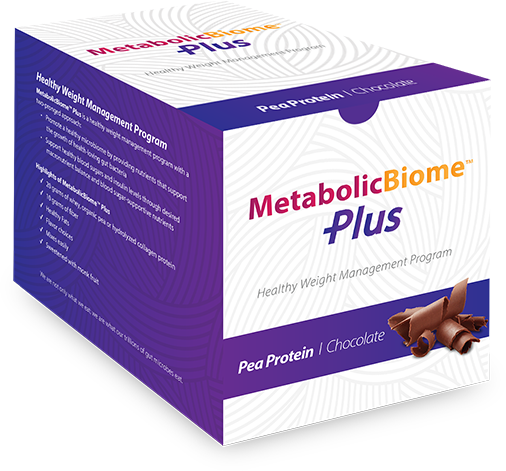
MetabolicBiomeTM Plus is a healthy weight management program founded on the revolutionary principle that we are what we eat, but we are also what our trillions of gut microbes eat.
By mimicking the effects of a diversified plant-based diet, MetabolicBiomeTM Plus supports a person’s optimal weight using a two-pronged approach:
- Optimize gut microbiota through polyphenolic stimulation
- Support healthy blood sugars through macronutrient balance and key nutrients
KEY FEATURES:
- 20 grams of protein
- 9 grams of healthy fats
- 9 grams of fiber
- Great-tasting flavors
- Mixes easily with water or beverage of your choice
- Sweetened with monk fruit
- Gluten Free
The 7-day MetabolicBiome™ Plus kit contains:
- 14 packets of MetabolicBiome™ Plus powder– a meal replacement powder to promote the growth and activity of a healthy microbiome
- 14 supplement packets that include GlucoResolve™ to support healthy glucose and insulin levels, Biomega-700™ (omega-3s) and digestive enzyme support
- Step-by-Step Guidebook
THREE PROTEIN CHOICES
Organic Pea Protein
100% organic yellow peas
(grown and processed in USA)
Also available in Vanilla
Whey Protein Isolate
Non-denatured whey from grass-fed cows
Also available in Chocolate
Hydrolyzed Collagen Protein
Pasture-fed bovine collagen from Sweden, free of hormones, antibiotics and GMOs
Also available in Vanilla
IMMUNE BENEFITS OF WHEY PROTEIN
High-quality amino acids in our diet are essential for maintaining immune system cell structure. Whey protein is a well-known, complete protein source that provides all the essential amino acids our body needs.
Bovine milk contains many components that have immunomodulatory and antimicrobial properties. Research has demonstrated that bovine colostrum and milk, whether or not they are from cows immunized against specific pathogens, provide a medium for the transfer of passive immunity, and may offer disease protection in a range of species.
Peptides and amino acids in whey protein possess immune stimulatory activity. The most valuable proteins include: lactoferrin, immunoglobulins, β-Lactoglobulin, lactoperoxidase and lysozyme, along with bioactive peptides. These components are resistant to pepsin and trypsin activity and maintain their biological activity within humans as evidenced in numerous studies.
Immunoglobulins
Bovine immunoglobulins, in particular bovine IgG, have been studied since the 1970’s for their potential effects on immunity and infection in humans. Milk is a rich source of immunoglobulins and it has developed through evolution to ensure the transfer of passive immunity from mother to offspring. The immunoglobulins in colostrum and milk also provide opportunities to harness their immunological function for the benefit of other animals, including humans.
Immunoglobulins (IgGs) are present in the blood and tissue fluids, as well as colostrum and milk of all lactating species. The biological function of milk IgGs is to confer upon the offspring an immunological protection against microbial pathogens and toxins. A large number of studies in infants and adults have shown that bovine IgG can provide added immune support in people with gastrointestinal and upper respiratory tract infections.
IgGs function as flexible adaptors linking together various parts of the cellular and humoral immune systems. Another vital function of IgGs is their ability to augment the recognition and phagocytosis of bacteria by leukocytes. Milk immunoglobulins can also prevent the attachment of pathogens to the epithelial lining that is a critical step in the establishment of infection.
Several in vitro and animal studies have shown effects of bovine IgG and colostrum in viral respiratory tract infections. Bovine immunoglobulins can bind to- and in vitro even neutralize- RSV, a common childhood pathogen resulting in upper respiratory tract infections. Furthermore, bovine immunoglobulins from non-immunized cows have been shown to be able to bind to human RSV as well as to influenza virus
In adults suffering from frequent upper respiratory tract infections, supplementation with a bovine IgG and lactoferrin-containing whey protein provided greater immune support compared to the placebo group in a double blind randomized, placebo controlled study.
In order to be used as an active, prophylactic ingredient in human food products, a significant amount of bovine immunoglobulins must be able to survive passage through the stomach into the small intestine, or even throughout the entire gastrointestinal (GI) tract. This has been the subject of several studies and IgG does seem to pass through the gastrointestinal tract without being fully degraded by digestion, thus leaving its functional aspects intact.
Numerous studies have demonstrated that bovine IgG is relatively resistant to proteolysis by digestive enzymes and is only partially inactivated by gastric acid. In adult humans consuming a bovine whey protein concentrate, approximately 59% of IgG was detected from in the jejunum, while 19% was detected in the ileum. In addition, between 10-30% of orally administered bovine IgGs can be recovered from the stools of human infants and adults.
The amount of undigested IgGs can be improved considerably by fasting before the administration of IgGs. In addition, the short transit time of a liquid meal allows for more of the IgGs to be delivered into the small intestine intact due to less time exposure to the stomach acid. This supports the common strategy of using a whey-based smoothie as the first meal of the day to maximize its immunological activity.
Beta-Lactoglobulin
β-Lactoglobulin (LG) is the most abundant whey protein in bovine milk. Notably, LG accounts for more than 50% of total whey protein. It plays a key role in enhancing immune responses by promoting cell proliferation through IgM receptors. LG also binds and transports hydrophobic ligands such as vitamins A and D, fatty acids and phospholipids.
Secretory IgA
Milk also contains some secretory IgA (sIgA). The sIgA present may contribute to the protective effects of immune milk products and is considered to be the primary immunoglobulin responsible for immune protection of mucosal surfaces such as the intestine.
Lactoferrin
An iron-binding glycoprotein, lactoferrin is a cell-secreted mediator that bridges innate and adaptive immune function in mammals. It has a capacity to bind iron and to interact with the molecular and cellular components of hosts and pathogens. Lactoferrin can bind and sequester lipopolysaccharides, thus supporting healthy inflammation pathway activation and tissue health.
Lactoperoxidase
This is a glycoprotein present in whey protein and exhibits antagonistic activity towards certain bacteria. The lactoperoxidase system plays an important role in the innate immune system by exhibiting antagonistic activity towards bacteria in mucosal linings.
Lysozyme
Lysozyme is an enzyme naturally present in milk that offers immune-enhancing properties. Used to lyse bacterial cells by hydrolyzing the peptidoglycan in the cell walls, lysozymes exhibit selective antibacterial properties for oral microorganisms, and are naturally found in the saliva and tears as part of the innate immune system. Lysozymes are considered especially advantageous in the support of a healthy respiratory tract.
Cysteine and Glutamate
Whey protein is rich in cysteine and glutamate. These amino acids serve as precursors of glutathione, a potent antioxidant, which is needed in greater quantities during times of stress. In one study whey protein supplementation doubled GSH levels compared to the control group.
An increased need for dietary cysteine may underlie the increased risk for mortality associated with low protein intake in the elderly. There is considerable evidence that glutathione synthesis and glutathione tissue levels tend to decline in humans as they age.
An increase in dietary cysteine intake can be expected to boost glutathione synthesis, particularly when cellular glutathione levels are relatively low. One way to achieve this, without increasing protein intake, is to supplement with -acetylcysteine (NAC) although a daily whey protein smoothie will also accomplish this along with its many other benefits.
Arginine
Arginine is abundant in whey protein and can act as a precursor for nitric oxide (NO). NO is an intercellular messenger and has been recognized as one of the more versatile players in the immune system. Cells of the innate immune system- macrophages, neutrophils and natural killer (NK) cells use pattern recognition receptors to recognize molecular patterns associated with pathogens. Activated macrophages then inhibit pathogen replication by releasing a variety of effector molecules, including NO. It also regulates the functional activity, growth and death of many immune and inflammatory cell types including macrophages, T lymphocytes, antigen-presenting cells, mast cells, neutrophils and NK cells.
When choosing a whey protein supplement it is important to look for one that has not been manufactured using heat, which can denature the fragile constituents and thereby reduce important biologically active proteins. Look for whey protein that has been produced using a natural, ultra-low temperature method. The result is a product supplying a full balance of bioactive whey proteins.
Related Biotics Research Products:
Immuno gG
Whey Protein Isolate
9 NATURAL WAYS TO KEEP CALM
Did you know there is a human need for certainty? Your brain craves it; and the lack of predictability right now can easily lead to stress, panic or even boredom. This can cause us to reach for our cell phones to get answers.
In psychological terms, it’s known as requiring “cognitive closure.” Social psychologist Arie Kruglanski coined the term, adding that “individuals’ desire for a firm answer to a question and is an aversion toward ambiguity.”
Ambiguity and uncertainty can lead us to act out of character.
These effects are amplified in an emergency or crisis when many people are finding it difficult to take in the changes that are happening around them.
It can be hard to keep focused and stay calm, but it’s never been more important than now because chronic stress can alter your ability to fight infection. In addition, loneliness can add to the burden placed on your body.
Finding appropriate and natural ways to stay calm in times of crisis will increase your ability to support the immune system, as well as allow you to be more creative.
There are many relevant ways to keep calm; some may resonate with you more than others. The following are approaches that can be used anywhere:
Breath Work (in 4 simple steps)
Breathing is one of the most accessible and easy ways to calm your nervous system in any situation. When you’re panicked, your breath gets short. To counteract this, taking a long deep breath can provide instant calm.
One of the easiest ways is to take a long deep breath into your stomach. Allowing your belly to expand. Follow the simple 4 step breath work process outlined below:
- Breathe in (for a count of 4)
- Hold your breath (for a count of 4)
- Breathe out (for a count of 4)
- Hold your breath (for a count of 4)
Continue this process for as long as you need. You should start to feel calm within a couple of rounds.
Mindfulness (pay attention to your thoughts)
Bring your attention to the present moment. It’s easy for us to get caught up on ideas for the future, or problems from the past — basically, things that we can’t control. This sort of ruminating process only leads to a domino effect of anxiety turning to panic.
To reverse this process, bring your attention to the present moment. You’ll most likely find that the issues that you are imagining are nothing more than fleeting thoughts. Sometimes these thoughts can perpetuate. In this case, we can begin to perceive the world through a negative lens that behavioral scientists call “cognitive distortions”. Examples of cognitive distortions include:
- Catastrophizing
- Jumping to conclusions
- Mental filtering
- Personalization
Cognitive distortion is more likely to happen when we’re feeling lonely or isolated. To prevent this sort of pattern happening, try to set aside what are called “worry times”. This could look like 15 minutes with a pen and paper to write down things that you’re worried about. Then don’t allow yourself to worry for the rest of the day.
Spend Time in Nature (every day)
Reconnecting with nature can provide instant calm. Many studies have found that just 20 minutes in nature soothes the nervous system. If you don’t have the ability to go out in nature because you live in the city, try gazing at images of nature or listening to sounds found in nature, such as the ocean. One study found that just looking at images and smelling scents of nature can provide a sense of calm and well-being.
Here are five ways to connect with nature in your own home:
- Install a water feature
- Buy/ create paintings of green and blue spaces
- Adopt/ hug a pet
- Take a long bath
- Watch nature documentaries
Acupressure
You may not be able to go to get a massage right now. However, you could ask someone in your family to give you a massage. What a fantastic way to provide much needed connection, while hitting the acupressure points in your body that provide calm. Why not try massaging with Ashwagandha oil to enhance relaxation?
Here are a few acupressure points you should know about:
- The spot between your eyebrows
- Webbed space between your thumb and forefinger
- Base of your wrist, the crease where your hand meets your arm
- Two points on the base of your skull, where your head meets your neck
Holding these points for 30 seconds to five minutes will help release tension in your body, providing a sense of calm, and enhancing sleep. For added effect, you can press these points and massage in a small circular motion.
Unplug (to get relief from the hysteria)
One of the best ways to reconnect with yourself and uncoil is to completely unplug from social media and all devices. Much of our stress can come from other people. There’s a lot of hysteria going around at the moment that can trigger feelings of anxiety and panic. We need to take some time away from the collective stress. Here are some simple ways to unplug:
- Set times where you don’t use any devices
- Put your phone on airplane mode so that you can unwind
- Switch off your phone a few hours before bedtime
- Create a healthy morning and bedtime routine
Creating healthy lifestyle routines has never been more important. Why not switch off your phone a few hours before bedtime. The blue light emanating from mobile phones is stressful for the human body. A healthy bedtime and morning routine can set your day up for success.
Human Connection (to stay healthy)
Connection is one of the most important aspects of human life. We are social beings. In fact, many diseases worsen when a person feels lonely and isolated. Right now it’s important to find different ways to connect with friends and loved ones. Meal times are fantastic if you have your family at home; daily family meals are a great time to bond. You could also incorporate a gratitude practice, to switch your focus, giving you and your family respite from the panic and hysteria. Here are four ways to use technology for connection.
- Meet with family or friends on Skype, Zoom or FaceTime.
- Why not set up a virtual meal – where you eat food together?
- Set up an online family gathering
Face-to-face interactions are better than audio only. So that you can see people’s body language, facial expressions and interact quicker. Technology provides a fantastic way to bring us together, especially when we can’t go outside. Loneliness and isolation have been found to increase the risk of contracting illnesses. Therefore, it’s important to take some time to connect every single day.
Create a Daily Routine
Get up, shower and get dressed, even if you have nowhere to go. Decide what time you will get up, and do so every day to create a structured schedule that will help you to make progress in times of uncertainty. Be sure to add an exercise routine, and go to bed at the same time every night.
Here are some tips on creating a daily routine:
- Get up early
- Exercise and keep moving
- Make time for self-care
- Set goals, and make steady daily progress
Sleep is one of the most important factors in ensuring you keep calm in stressful situations. Sleeping in late, can mess up your natural circadian rhythm, which will make it harder to get to sleep. For that reason, get up each day as if you had somewhere important to go.
5 Herbs & Supplements for Promoting Calm
There are several herbs and supplements that promote calm. But before we get into those, it’s important to make sure to eat a balanced diet to ensure that you’re consuming all of your essential nutrients. Filling your nutrient reserves will provide a more stable mental state, as well as supporting the immune system.
Here are five herbs/supplements that promote calm:
- L-theanine
- Chamomile
- Lavender
- Magnesium
- Ashwagandha
Conscious (Cognitive) Reframing
Conscious, or cognitive reframing is critical right now. “Framing” is how you perceive the world, your responsibilities, roles and your thoughts about other people. Right now, our conscious framing is being challenged. Frames of reference can either be positive or negative, and influence all areas of our lives.
When our bodies are in the fight-or-flight mode, it’s hard to think straight. This can lead to anxiety and panic. When you need to see things differently, try stepping away. Going out for a breath of fresh air, or simply changing the scene can help calm your central nervous system. Getting wound up is normal, especially in times of uncertainty or stress.
By taking a few moments to regain composure, you can avoid circumstances escalating or getting out of control.
Final Thoughts
It’s essential to keep calm to allow your body time to relax and also to promote creativity. When your body is in the fight-or-flight mode, you might find it hard to sleep, eat or operate efficiently. Now is a great time to practice natural ways to keep calm. This will help your body to rest, digest and repair. Goals, routines, healthy lifestyle choices and appropriate nutrition have never been more important. By defining your own routine, you can regain certainty and stability, which will help you be there for others.
Related Biotics Research Products:
Alpha Theta PM
Acti Mag Plus
Hemp Product Suite
Calm ES
Calm
Calm ZZZ
Dan Shen Wan
Schisandra ZZZ
Happy Mood
DETOXING YOUR BRAIN WHILE YOU SLEEP
A new study has revealed that the human body clears toxins out of the brain while we’re asleep.
Research has shown that sleep is essential for cognition and healthy brain function. Slow waves in neural activity contribute to memory consolidation and cerebrospinal fluid can clear metabolic waste products. However, the relationship between these two processes had yet to be seen. Cerebrospinal fluid is a translucent liquid that flows around the brain and helps cushion the brain and spinal cord from injury, as well as providing nutrients.
Yet, this study revealed an additional function. The researchers used accelerated neuroimaging to measure the physiological and neural dynamics in the human brain, and unveiled a pattern that suggests a coherent connection between brain dynamics during non-rapid eye movement sleep.
The study participants were asked to lie down and fall asleep inside an MRI machine wearing an EEG cap. This allowed the researchers to observe the blood oxygen levels in their brains and how much cerebrospinal fluid flowed in and out of their brains via the MRI machine. And meanwhile, the EEG caps simultaneously measured the electrical currents flowing through their brains.
The researchers discovered that during non-REM sleep, the stage of sleep that occurs when a person is transitioning from being awake to falling asleep, large, slow waves of fluid were washing over the participants’ brains after an electrical wave when the neurons would stop firing. This meant that less blood would flow within the brain, yet cerebrospinal fluid would rush in to fill the space, clearing out metabolic byproducts as it moved.
This study shows that sleep has a very distinct function for the brain, and this could have exciting clinical applications for patients in need of cognitive support.
Related Biotics Research Products:
Alpha Theta PM
Alpha Theta Ultra PM
Hemp Product Suite
WASH YOUR HANDS AND TAKE YOUR PROBIOTICS
Most of us know that washing hands, getting plenty of rest, getting your vitamin D and eating a diet rich in antioxidants and various botanicals (such as Echinacea, Astragalus, Elderberry and mushroom blends) can help boost the immune system. But what other immune-boosting tactics might be missing from your medicine cabinet? To keep the immune system running strong, there might not be just one magic bullet. However, more and more research points to the power of probiotics in supporting immune health.
A double-blind, placebo-controlled study found that probiotics provided the test group with a 53% lower incidence of fever (for the single strain) and 73% reduction for the group taking the combination probiotic. Probiotics also increased comfort for those suffering from cold and flu symptoms, including coughing and congestion. The group taking the supplement also missed fewer days from daycare, 32% fewer days to be exact. Antibiotic use was also less; 68% less in the single strain group and 84% less in the combination strain group.
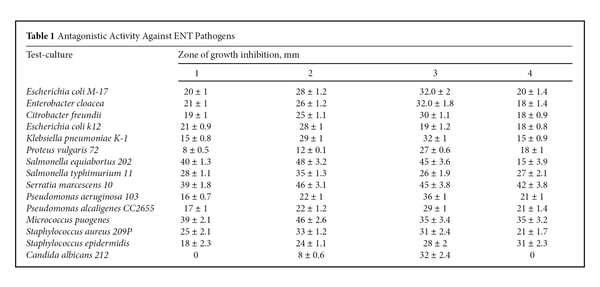
Probiotics Targeting Immune Health: Two strains called Lactobacillus delbrueckii LE and Lactobacillus rhamnosus LB3 work synergistically in combination to support otolaryngeal health and overall immunity. Clinical testing was performed in the Hospital of Institute of Otolaryngology Academy of Medical Sciences, Kiev, 2002-2006, for State Program “New Probiotics for Otolaryngology”. Strains of L. delbrueckii LE and L. rhamnosus LB3, as well as combination blends, were found to demonstrate high levels of antagonistic activity towards the microbes most frequently found in chronic and recurrent ENT infections.
Increased Immune Activity: In addition to showing a high degree of adhesion to the mucous coat of the upper air passages, application of the formulation resulted in a statistically reliable increase of the number of tonsillar cells producing IgA, as well as increased activity of the natural cytotoxic tonsillar cells, and increased number of tonsillar cells with surface antigens CD25 and CD56.
Probiotic formulations based on these strains also induced a proficient immune response by TH1-type cytokines, inhibited fatty cellular infiltration of tonsils tissue, and stimulated progression of B-cell lymphocytes and high glycogen macrophages. It was observed that this probiotic formulation stimulated IFN up to 4.5-fold, induced production of the IL-4, increased IgG and IgA up to 2.5-fold, and intensified glycogen synthesis in phagocytes. L. rhamnosus LB3 demonstrated more effective activation of humoral immune response; whereas, L. delbruekit LE showed mostly cell-mediated immune response.
In one study, tonsillar cells from patients with adenoid disease were cultivated with L. rhamnosus LB3. After four hours, L. rhamnosus LB3 had increased the number of cells with membrane antigen CD25 (activated cells), increased the number of IgA producers by 30%, and intensified the functional activity of the natural cytotoxic cells 3.4 times as much.
The specific combination of these strains also demonstrated antagonistic action in relation to a number of ENT pathogens, and help support a healthy immune response in their presence.
O.Volska, D.Zabolotna. Study of the mechanisms of antagonistic activity of the Probiotics. Journal of ear, nose and throat diseases, No3-c, 2003,p.164-165.
During times when health can be compromised with increased exposure to pathogens, it’s important to eat a diet rich in micronutrients, manage stress levels, get plenty of sleep, drink enough water and supplement when necessary with extra antioxidants and botanicals. However, probiotics just might give that added immune boost you need.
Related Products:
Adult ENT-Pro
Children’s ENT-Pro
THE ROLE OF FATTY ACIDS IN IMMUNITY
We commonly evaluate food and macronutrients based on their ability to supply the necessary fuel for our bodies to operate; as such, we classify them as carbohydrates, proteins and fats. However, we must also consider food based on its healing power and role in optimal health, which goes beyond basic nutritional characterization.
One area that has gained attention is the interaction between nutrition and the immune system, which has led to increased interest in the impact of different foods, or parts of foods, on their ability to promote either health or illness. However, this relationship is complex and multivariable.
A study on the impact of early nutrition on immune health reported the effects of fiber, antioxidants, polyunsaturated fatty acids, folate and other vitamins beyond their metabolic value to their impact on nutritional programming of the immune health. According to a 2020 review, “A growing body of evidence suggests that further consideration of dietary patterns, immune system and gut microbiome composition and function, and subsequent epigenetic modifications are needed to improve our understanding of diet–immune system interactions.”
Inflammation is the immune system’s response to harmful stimuli such as a physical injury, allergy, infection, or any other cause. Fatty acids are released from cell membranes when the immune system is triggered. They serve as substrates for signaling molecules that determine how the body responds to these insults by initiating and eventually resolving the inflammatory process. This process includes coordination with many cell types.
Omega-3 (n-3) and omega-6 (n-6) fatty acids are essential fatty acids found in the diet. They play important roles throughout the body as structural components of cell membranes. The composition of these membranes influences a cell’s fluidity, flexibility, and permeability and also many aspects of a cell’s daily activity. The ratio of n-3 to n-6 in the diet directly impacts the immune and inflammatory response; this ratio determines if proinflammatory or anti-inflammatory molecules will be released from the cell membranes as part of the body’s healing response. Arachidonic acid (AA) is the n-6 PUFA associated with the proinflammatory response because it is the precursor to inflammatory mediators. Eicosapentaenoic (EPA) and docosahexaenoic (DHA) acids are the long chain n-3 polyunsaturated fatty acids (PUFAs) found in oily fish and fish oil supplements. They have been considered for modulating immune responses because they are converted into anti-inflammatory molecules while opposing AA metabolism which results in inflammatory molecules.
A 2018 study looked into the immunological outcomes of healthy elderly subjects when following a Mediterranean-style diet rich in n-3 from vegetables and fish. The study records the effects of this particular dietary pattern on chronic low-grade inflammation and the decline in immune function commonly associated with aging. After one year of a tailored intervention, researchers observed the modification in a variety of immune function parameters leading them to suggest that these dietary changes later in life “could improve aspects of innate immunity and thus it could aid the design of strategies to counteract age-associated disturbances.”
Researchers also believe that an underlying mechanism of the actions of n-3 PUFAS that support healthy inflammation may be realized through the modulation of gene activation. EPA and DHA inhibit the activation of pro-inflammatory transcription factor kB (NF-kB), thereby reducing the expression of inflammatory genes while activating the anti-inflammatory transcription factor peroxisome proliferator-activated receptor y (PPARy).
Previous research has shown that n-3 PUFAs may support a healthy inflammatory response by targeting select cell types. For example, researchers are trying to understand how n-3 PUFAs influence B cell function through multiple mechanisms. They have shown that n-3 PUFAs boost B cell activation and antibody production, and are critical for both innate and adaptive immune responses.
One study looked at how n-3 PUFAs modulated B cell activity, and how this influenced the immune response to infections. Researchers stated that, “These B cell functions are critical for the host defense response against pathogens, protection against reinfection, as well as tissue homeostasis. Therefore, boosting B cell antibody production or activities, perhaps through n-3 PUFA supplementation, may have clinical relevance in certain patient populations….”
Researchers are looking into the direct effects of n-3 PUFAs on different cells of the immune system to further learn how to optimize and implement omega-3 supplementation.
While pursuing the precise mechanisms of the immunoregulatory effects of n-3 PUFAs, the following questions must be asked, “How many of the effects exerted by omega-3 fatty acids rely on their localization on the cellular membrane? How many of them rely on the activation of transcription factors? Are the transcription factors activated by omega-3 fatty acids the same in all immune cells?”
As we consider these questions to reach a more complete understanding of the body’s inflammatory response and proper immune system support, it is clear that n-3 PUFAs should be considered as a primary component of healthy dietary patterns.
Related Pruducts:
Biomega 1000
Biomega Liquid
PRIMARY MECHANISMS OF VITAMIN D ON VIRAL REPLICATION RATES AND PRO-INFLAMMATORY CYTOKINES
A recent study reviewed the role of vitamin D in immunity and its influence specifically in respiratory tract health. Primary mechanisms considered in the study included viral replication rates and concentrations of pro-inflammatory cytokines that influence the lining of the lungs.
While there are many other mechanisms by which vitamin D influences microbial health, the role of vitamin D in supporting immunity during viral respiratory infections can be simplified into three categories: physical barrier, cellular natural immunity, and adaptive immunity.
Vitamin D helps maintain tight junctions and several articles reviewed in this study discussed how viruses disturb junction integrity, increasing infection by the virus and other microorganisms.
Through enhancement of cellular immunity, Vitamin D influences, in part, the cytokine storm induced by the innate immune system in response to viral and bacterial infections. Vitamin D also supports the healthy expression and balance of pro-inflammatory cytokines and anti-inflammatory cytokines released by macrophages.
As a modulator of adaptive immunity, vitamin D plays a role in responses mediated by the T helper cell type 1 (Th1), while promoting cytokine production by the T helper type 2 (Th2) cells, which helps enhance the indirect suppression of Th1 cells. Vitamin D also promotes induction of the T regulatory cells, thereby supporting healthy inflammatory processes.
Studies reviewed in this review found that: a vast majority of viral respiratory outbreaks occur in winter, a time when 25-hydroxyvitamin D (25(OH)D) concentrations are lowest; that the number of cases in the Southern Hemisphere near the end of summer are low; that vitamin D deficiency has been found to contribute to acute respiratory distress syndrome; and that case-fatality rates increase with age and with chronic disease comorbidity, both of which are associated with lower 25(OH)D concentration.
Serum 25(OH)D concentrations tend to decrease with age. Possible reasons include less time spent in the sun and reduced production of vitamin D as a result of lower levels of 7-dehydrocholesterol in the skin.
Based on studies included in the review, the authors suggest 25(OH)D concentrations be raised above 40–60 ng/mL (100–150 nmol/L) when added immune support is critical. Additional information regarding specific dose ranges are discussed in the study article.
An additional benefit of vitamin D is that it enhances the expression of genes related to antioxidation, such as glutathione reductase. Increased glutathione production spares the use of ascorbic acid (vitamin C), which has antagonistic behavior towards some microbes.
On a related note- magnesium supplementation is recommended when taking vitamin D supplements. Magnesium helps activate vitamin D. The enzymes that metabolize vitamin D require magnesium, which acts as a cofactor in the enzymatic reactions in the liver and kidneys. A magnesium dose range is also discussed in the review article.
Finally, it should be noted that some observational studies and clinical trials included in the review reported mixed outcomes in some areas, while others provided very compelling data suggesting that randomized controlled trials and large population studies should be conducted to further evaluate these recommendations.
Related products:
Emulsified vitamin D
ADEK